Every passenger reaches the seat. And every passenger gets off the aircraft.
Moving a passenger who can't walk — to the seat, and out in an emergency — is now one of the most scrutinized things a station does. The DOT has made “safe and dignified” the standard, and the penalties are real. Outpost gives your handlers the equipment, the training, and the documentation to meet it.
Aviation has its own disability law — and the DOT is enforcing it.
The Air Carrier Access Act — not the ADA — is the federal law governing disability in air travel. It requires carriers to provide safe, dignified assistance to passengers who can't walk to their seat.
The 2024 Wheelchair Rule makes certain wheelchair-mishandling failures a per-se ACAA violation and requires hands-on staff training on assisting passengers with disabilities.
The DOT levied a record $50 million penalty against one airline for mishandling wheelchair passengers — about 25× any prior disability fine — later directed into wheelchair-handling equipment and training.
The volume is enormous, the failures are public, and the fines are the biggest in DOT history.
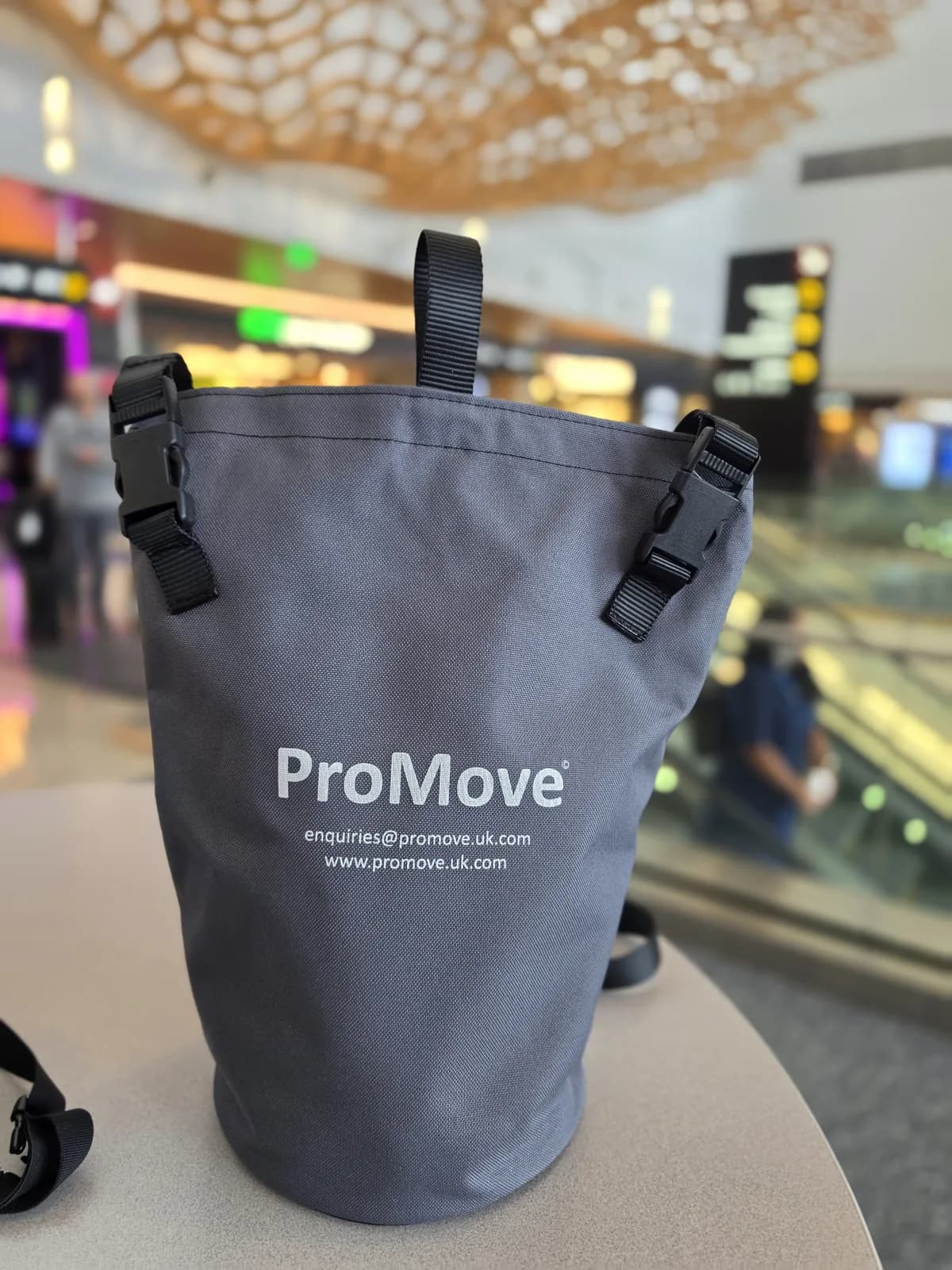
The safe transfer of a passenger who can't walk — into the seat, and out of the aircraft in an emergency — comes down to the right equipment and a team that has practiced with it. A ProMove transfer sling for the aisle, a HALO chair for the exit stairs, and trained handlers is the capability the rule now expects. That readiness is the entire reason Outpost exists.
The transfer equipment airports already rely on.
This isn't a new idea. Outpost has supplied ProMove slings to LAX — and the same slings, along with Voyager aisle chairs, are standard at international airports including London Heathrow, Edinburgh, Dublin, and Doha, moving passengers with reduced mobility between their wheelchair, the aisle chair, and the aircraft seat, safely, by a trained team rather than an improvised lift.
It's the capability every California airport needs now — with the DOT Wheelchair Rule in force and LA28 about to bring the world through their gates.
For the exit stairs, when the elevators are out.
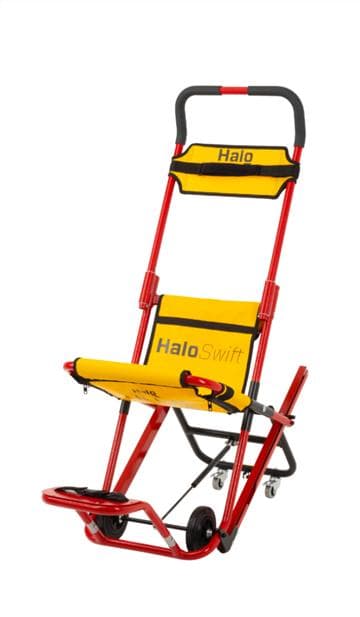
When a concourse has to clear and the lifts are down, a passenger who can't walk still has to get down the stairs. The HALO range covers every stairwell — one-person descent, powered up-and-down, bariatric, and spiral-stair chairs — each backed by HALO's Lifetime Promise.
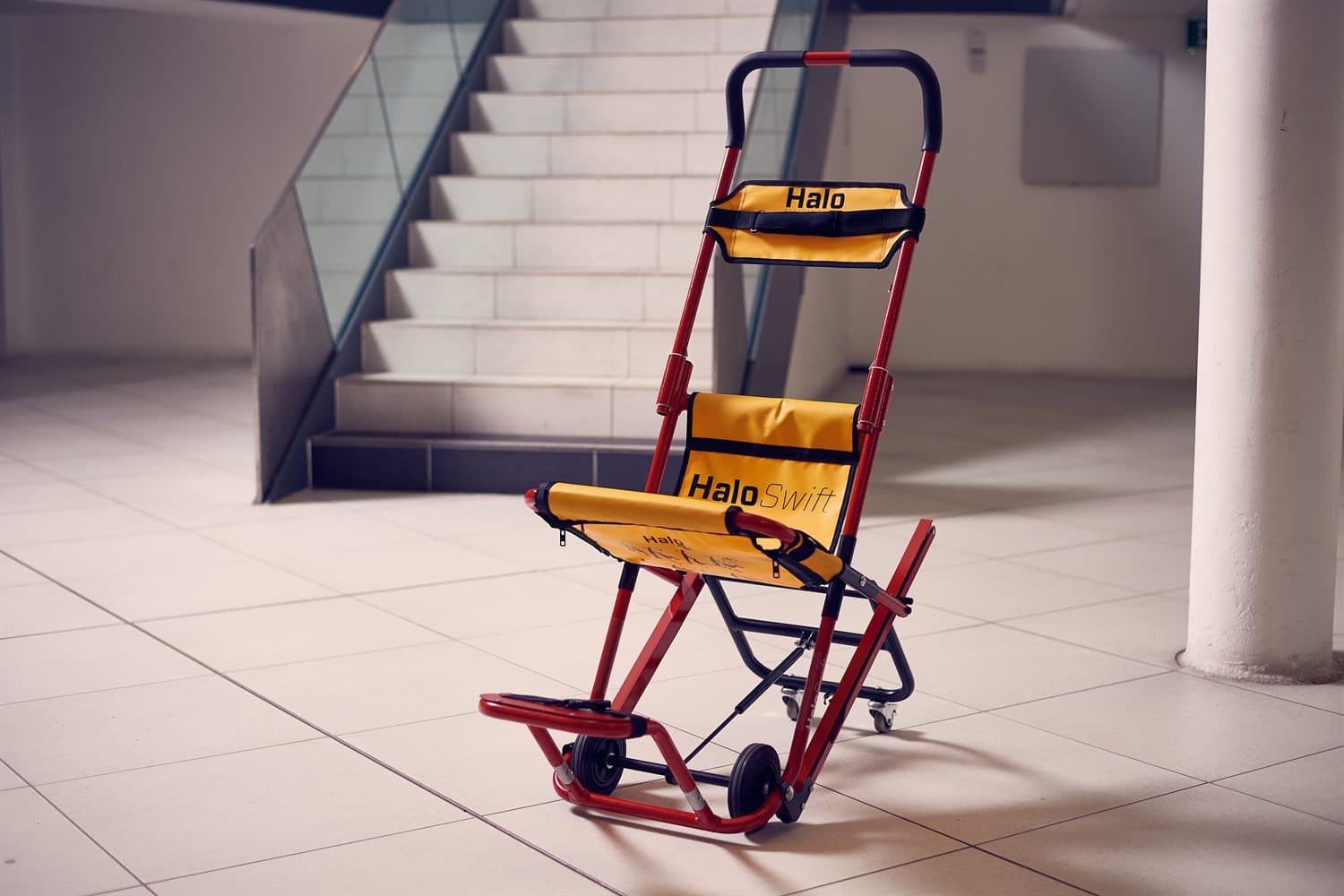
The everyday workhorse — one person, controlled descent, one per stairwell.
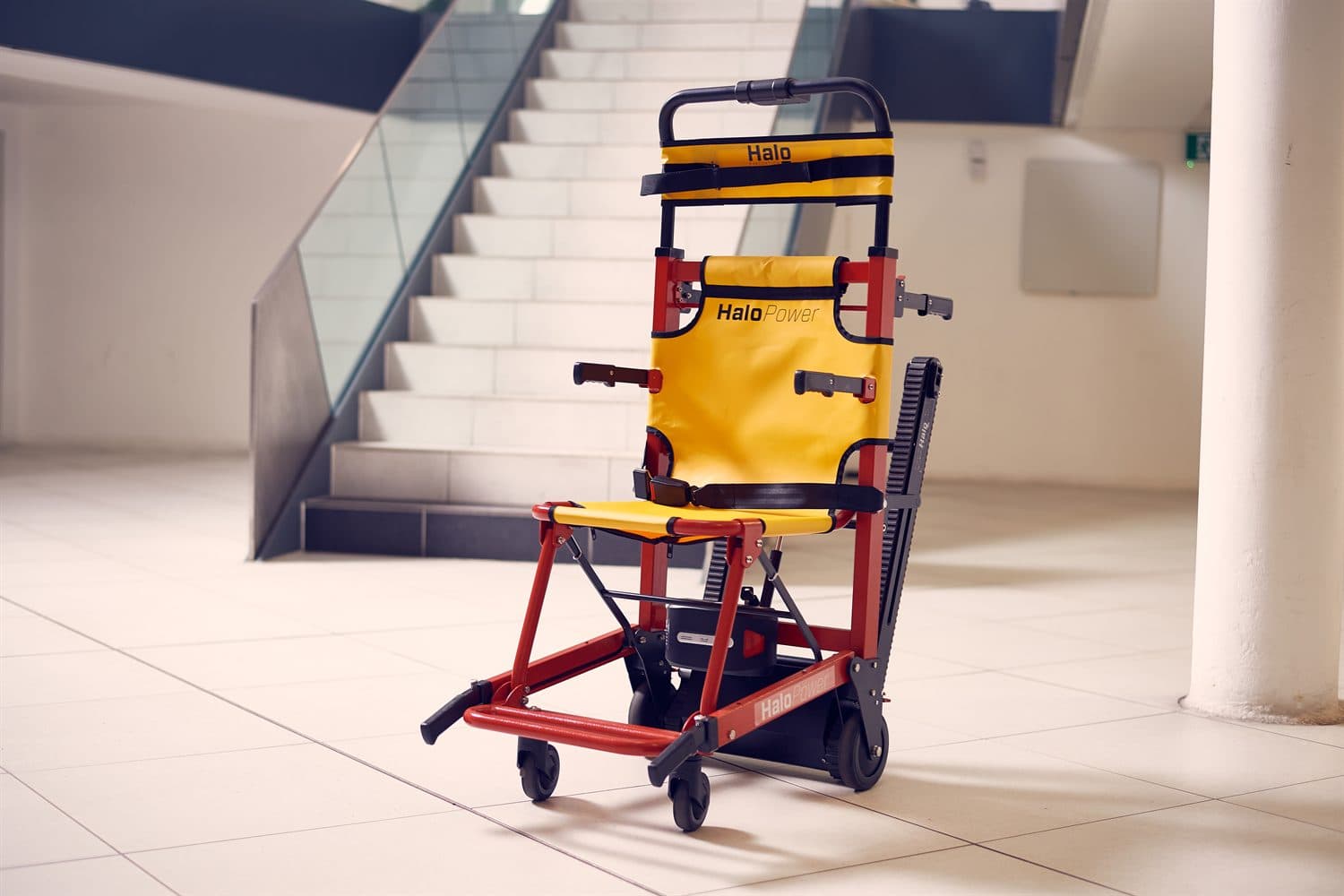
Motorized track chair — powered ascent and descent for high-rise and high-acuity floors.
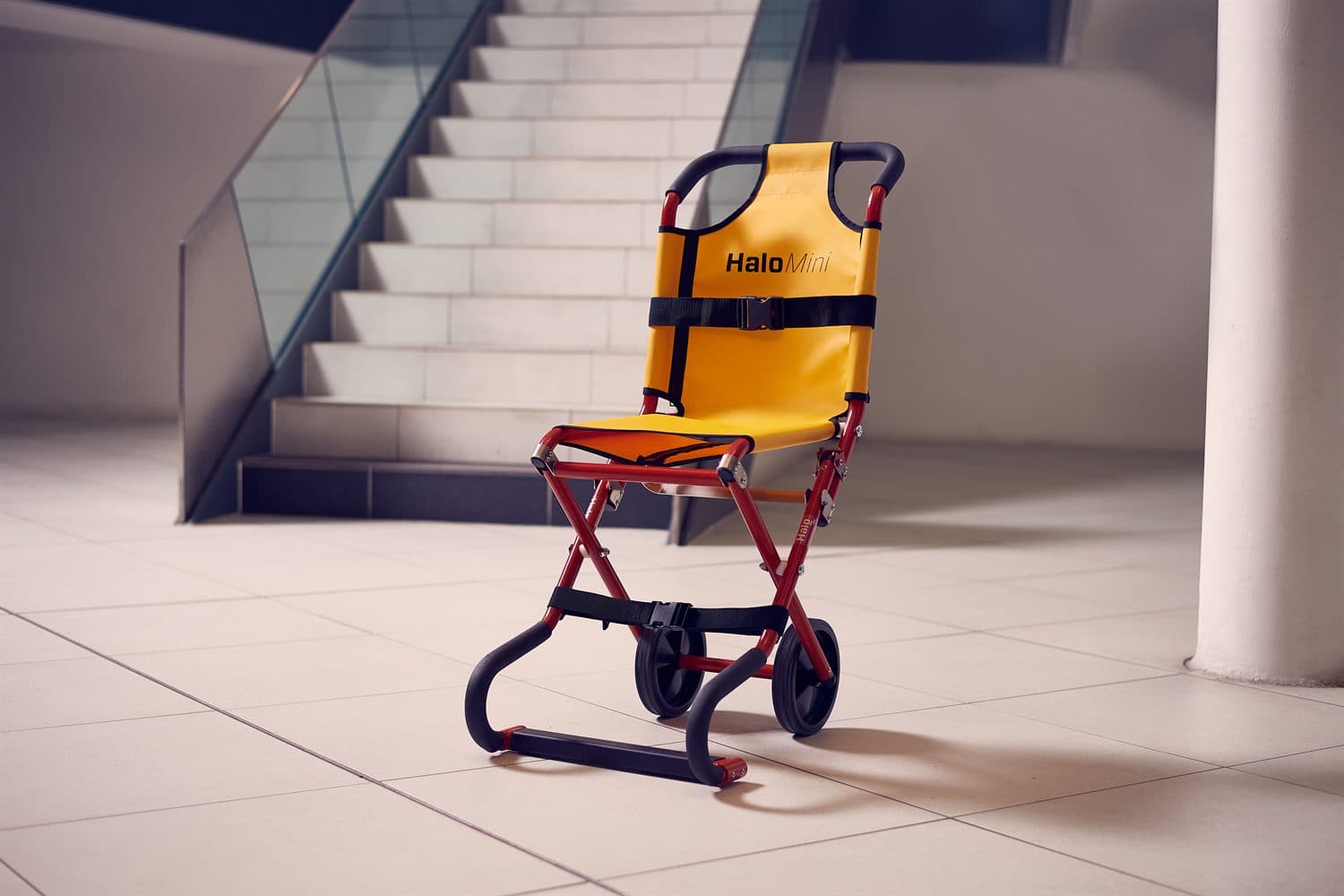
The 15 lb quick-deploy chair — for refuge areas and single-level moves, not stairs.
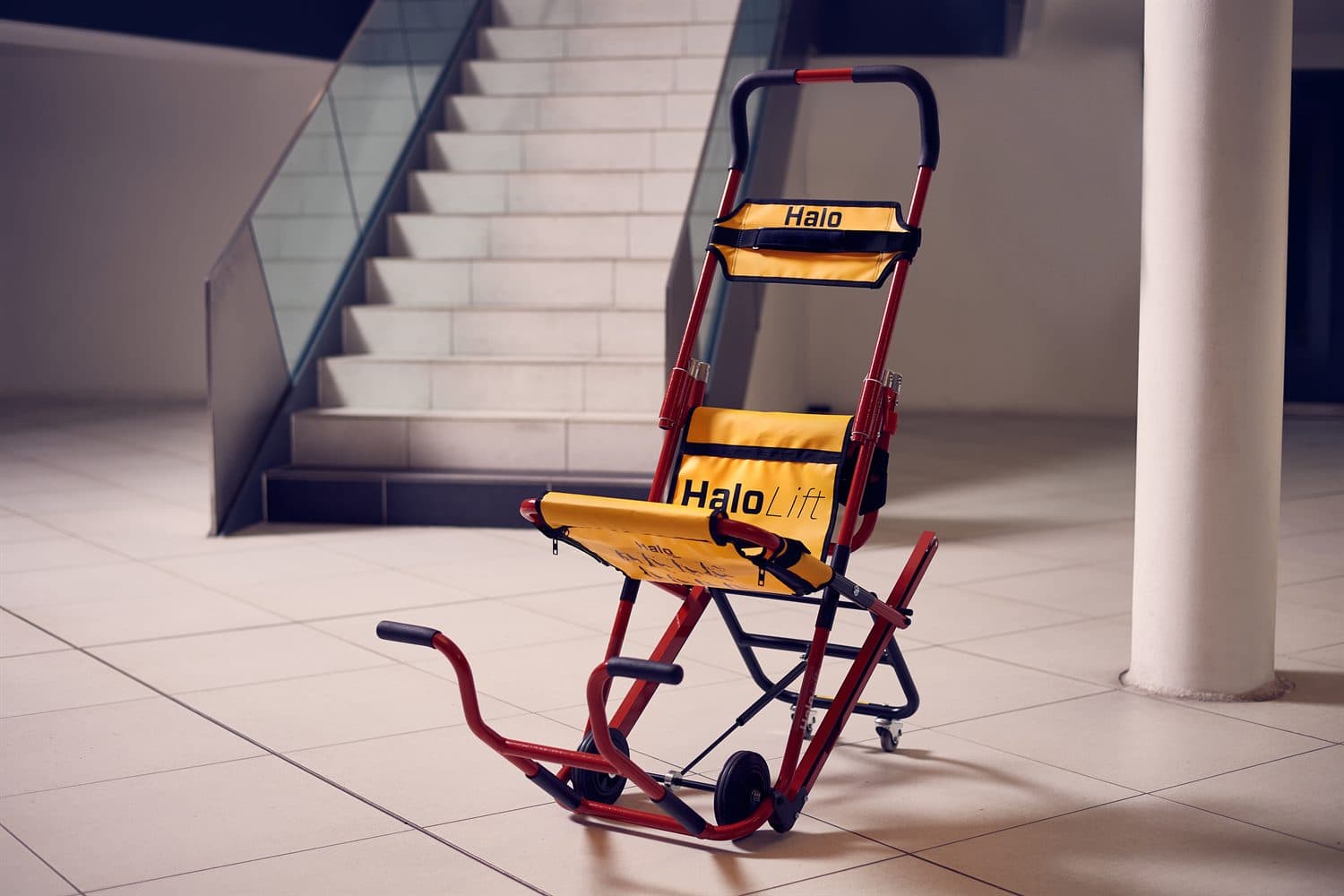
Descends like a Swift, but grab-handles let a team carry it up short flights and over obstacles.
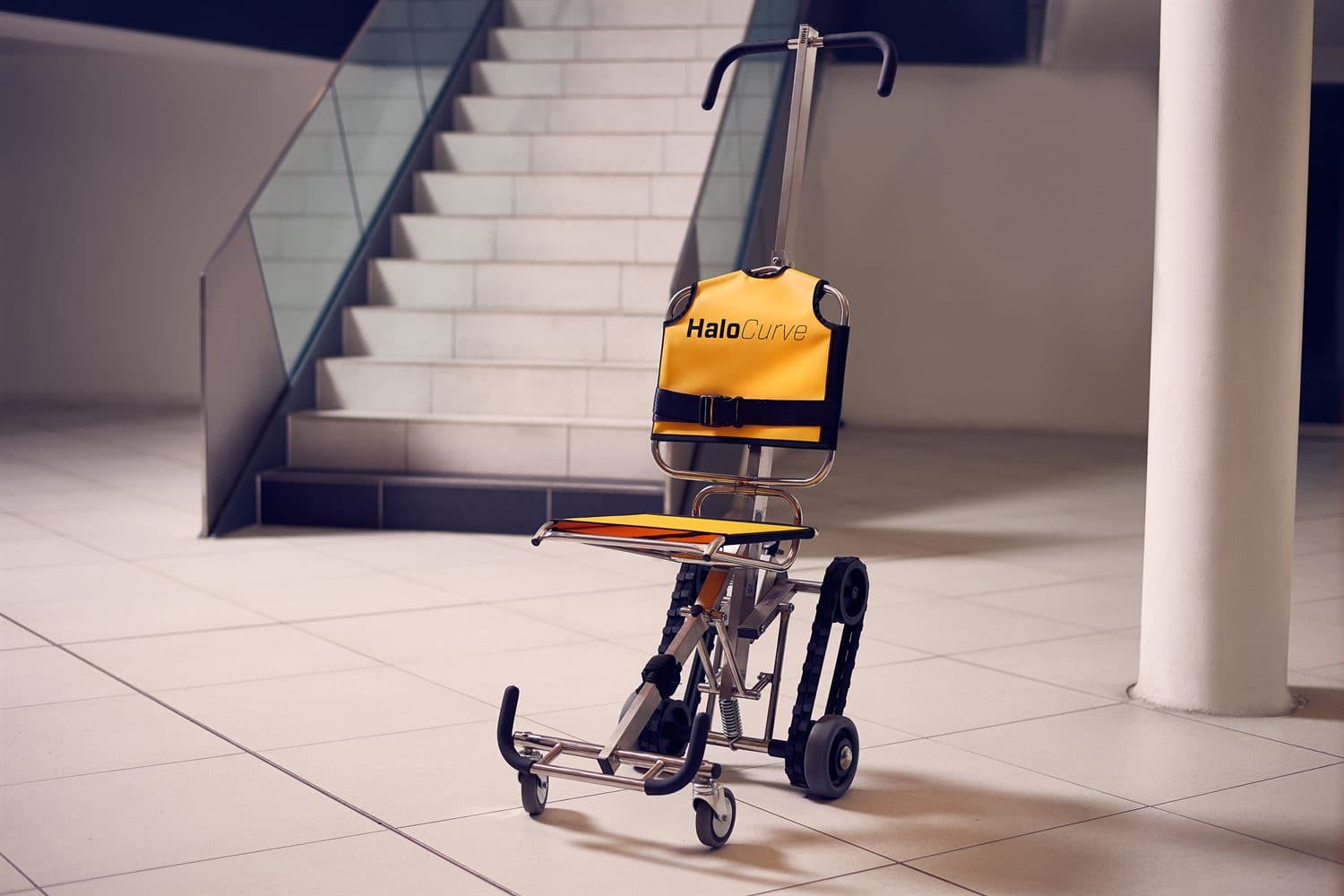
Purpose-built for spiral and narrow staircases a straight-track chair can't handle.
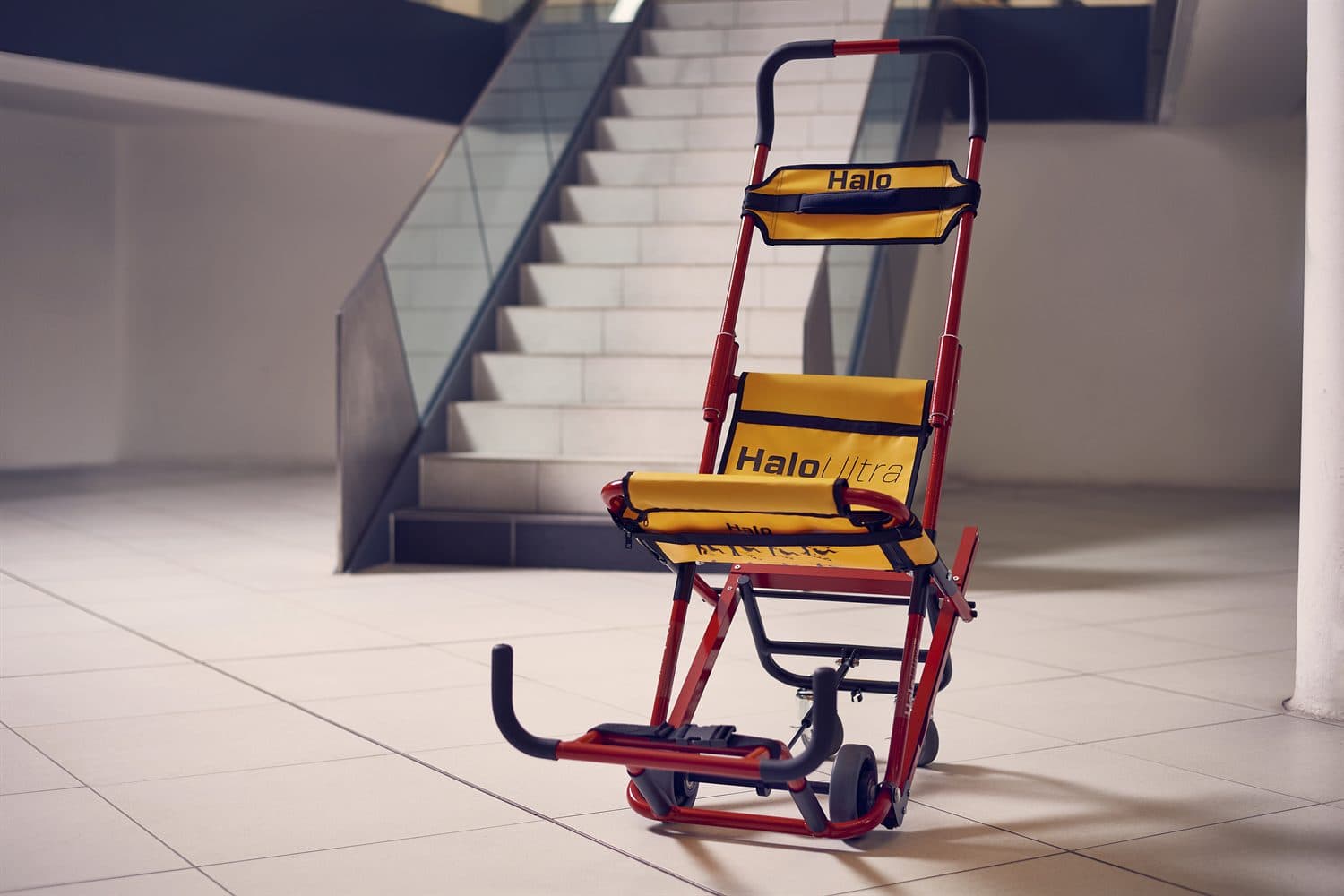
The heavy-duty chair — a 500 lb payload for bariatric and demanding evacuations.
Pricing by quote. Outpost is a US channel for the full HALO Evacuation range — one chair for every stairwell you have.
Purpose-built for the narrow geometry of the cabin.
An aircraft aisle needs a chair built for it. The Voyager range — which Outpost supplies to US stations and handlers — covers the full onboard transfer: the complete boarding chair, the 405 mm evacuation chair, and the lightweight aisle chair.
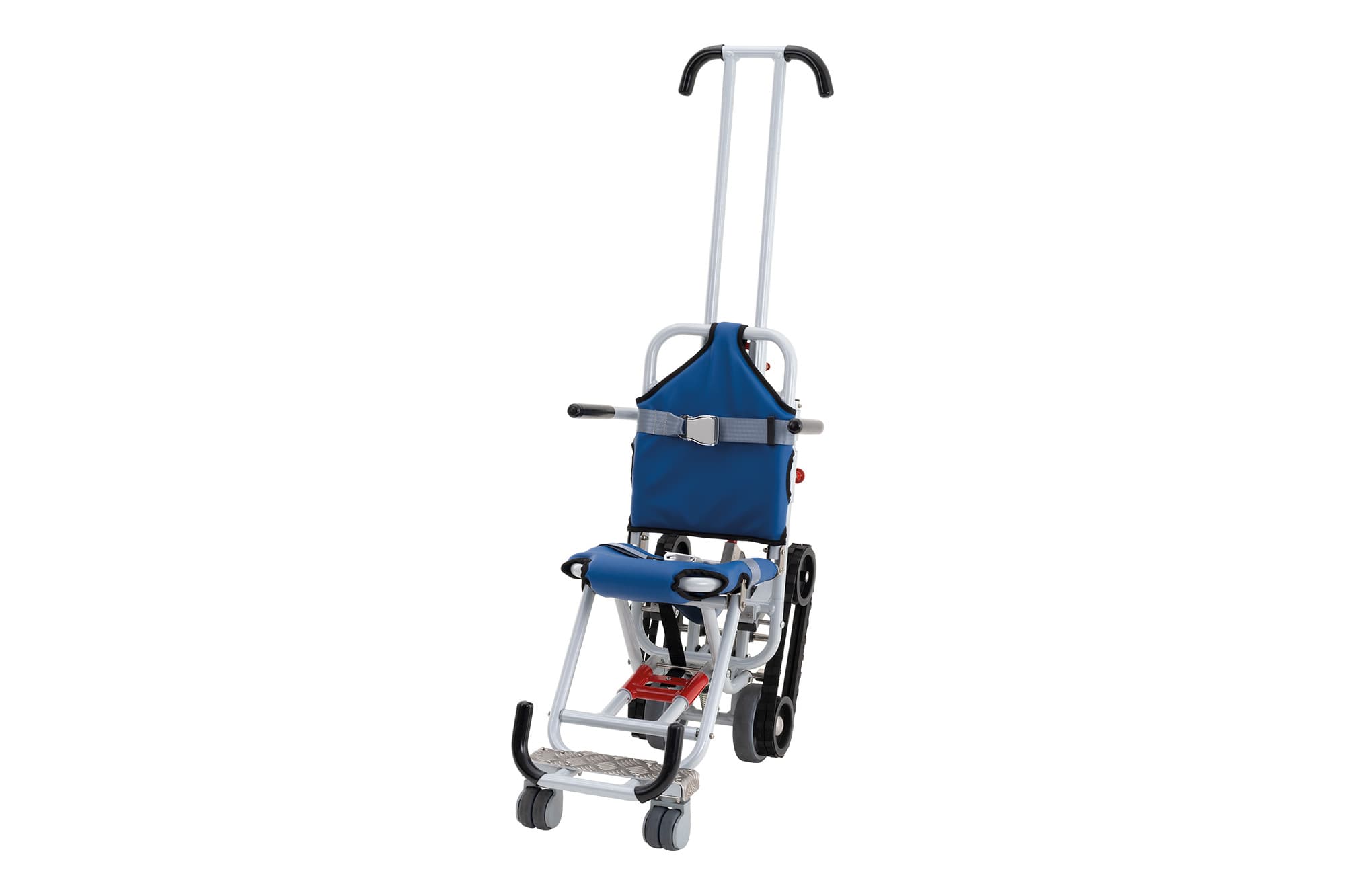
The complete boarding-to-seat transfer chair — aisle, seat, and stairs in one.
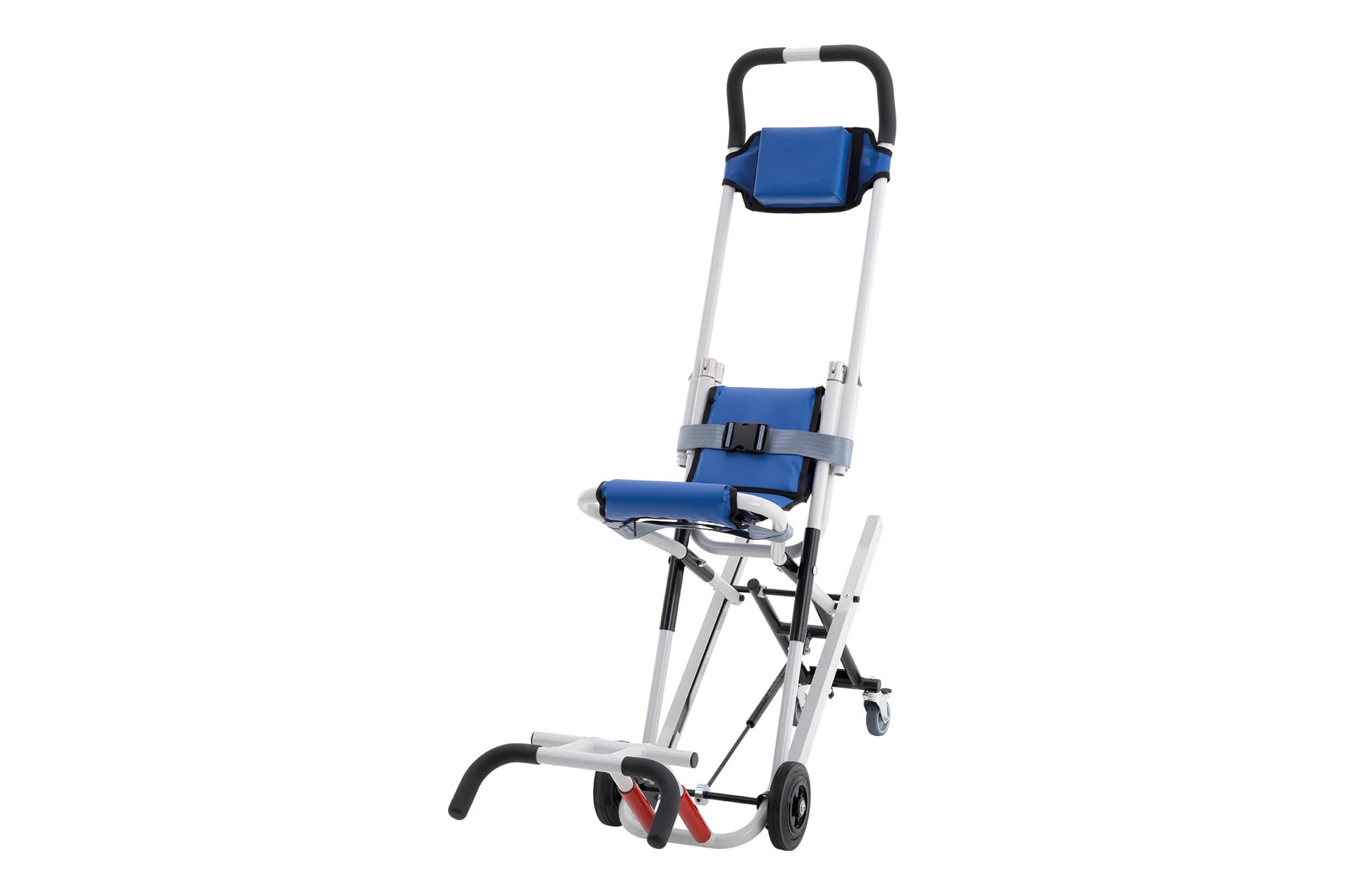
The 405 mm narrow-aisle evacuation chair — one-person stair descent, team lift over obstacles.
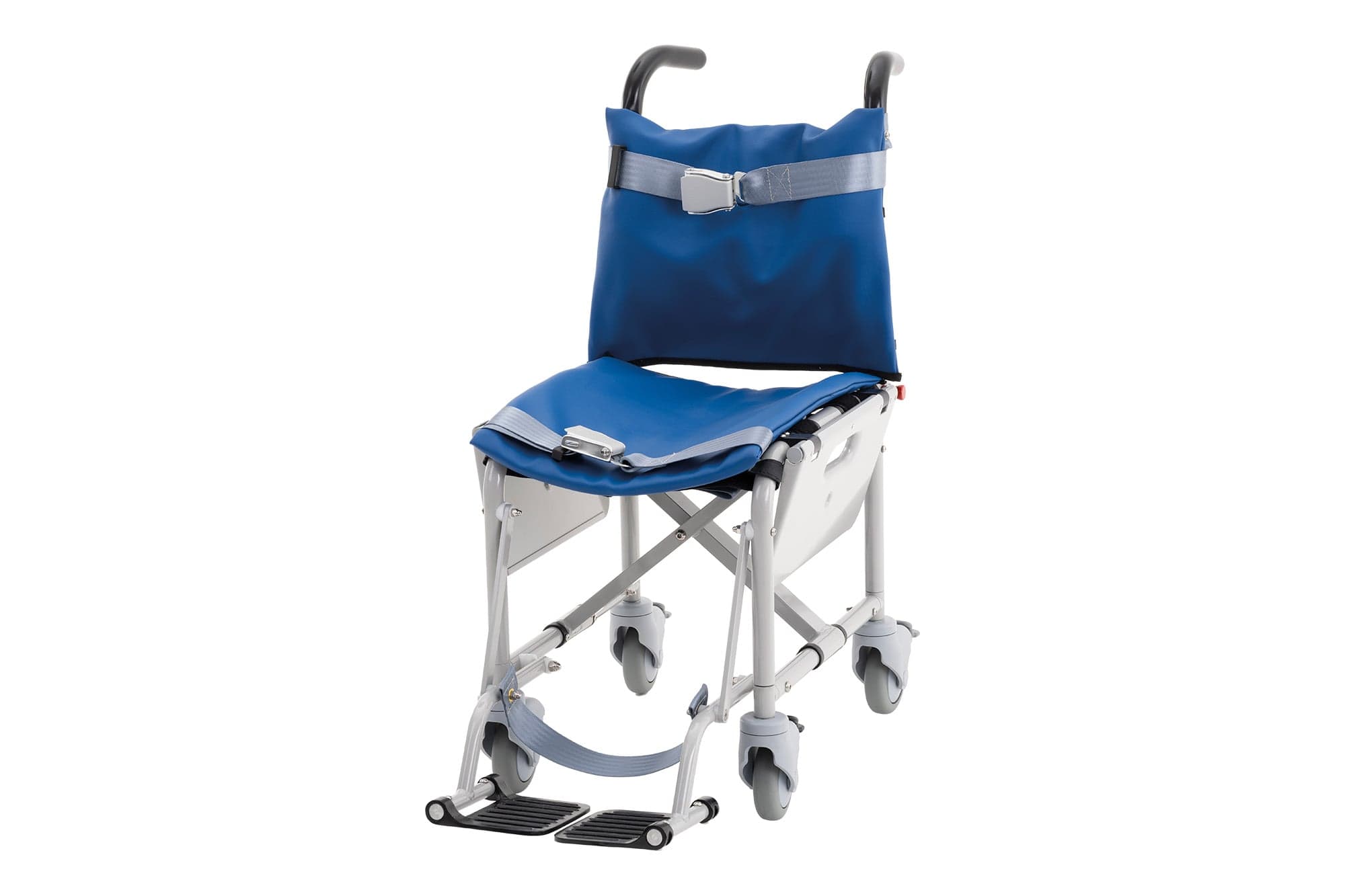
The lightweight onboard aisle chair with an integrated transfer board — one-person operation.
Pricing by quote. Outpost supplies the Voyager range (Paraid) alongside HALO evacuation chairs and ProMove transfer slings — one source for the whole PRM chain.
The transfer, the descent, the training, and the proof.
- ProMove transfer kitsThe transfer sling that moves a PRM passenger between wheelchair, aisle chair, and aircraft seat — safely, by a trained team, with dignity.
- HALO evacuation chairsStaged at exit stairs and jet-bridge stairwells for the emergency case: getting a passenger who can't walk down to the apron when the elevators and lifts are out.
- Voyager aisle chairsThe Paraid Voyager range for the aircraft itself — the complete Flibex boarding chair, the 405 mm narrow Ambi evacuation chair, and the lightweight Air+Chair with an integrated transfer board.
- Hands-on crew trainingYour station crews and handlers practice on the actual equipment — the exact training the Wheelchair Rule now expects.
- Aisle-transfer kitExtension handles and a dedicated bag so the sling reaches the aircraft aisle and the tight geometry of a narrow-body.
- Go-Bag & SunCaseCrew readiness and backup power for the command point when an outage or irregular op stretches your team.
- 12-month audit logDates, names, serials, and signatures — the record a DOT reviewer or your own compliance team asks for.
Get the Airport readiness flyer
The obligation, the highlights, and a stairwell-readiness checklist — on one page you can forward to your team. We'll email it now.
Build your coverage in 30 seconds
Set your building, pick your chairs, and watch three tiers of coverage price themselves.
PRM egress is on the hook under the Air Carrier Access Act — a chair at each exit stair is the baseline.
Estimate only — final counts confirmed on your walkthrough. Chairs & slings are quoted; Go-Bags and SunCase are priced online.
Tell us the station. Get your quote in 30 seconds.
A fixed price for your operation in 30 seconds — no call required.
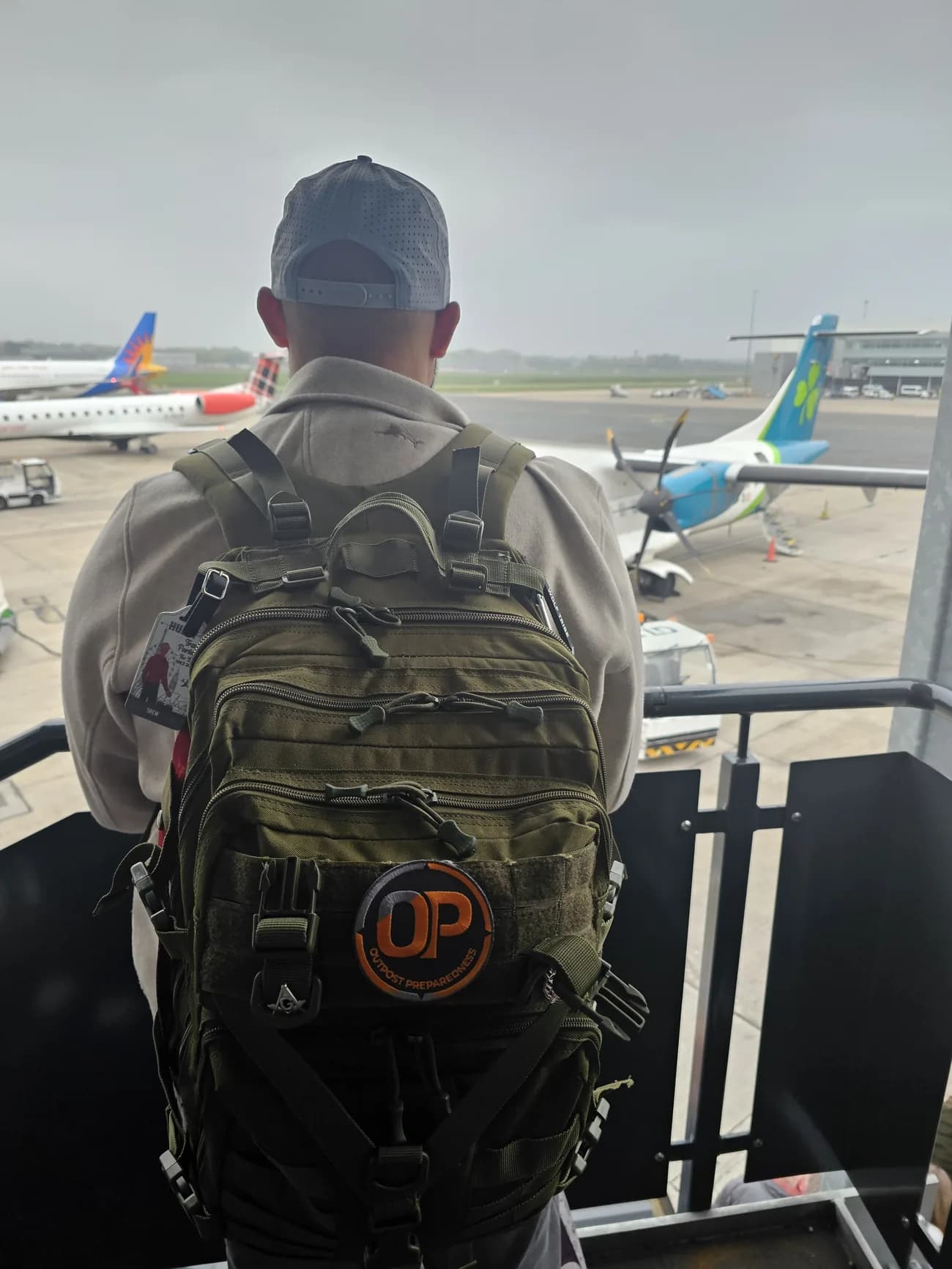
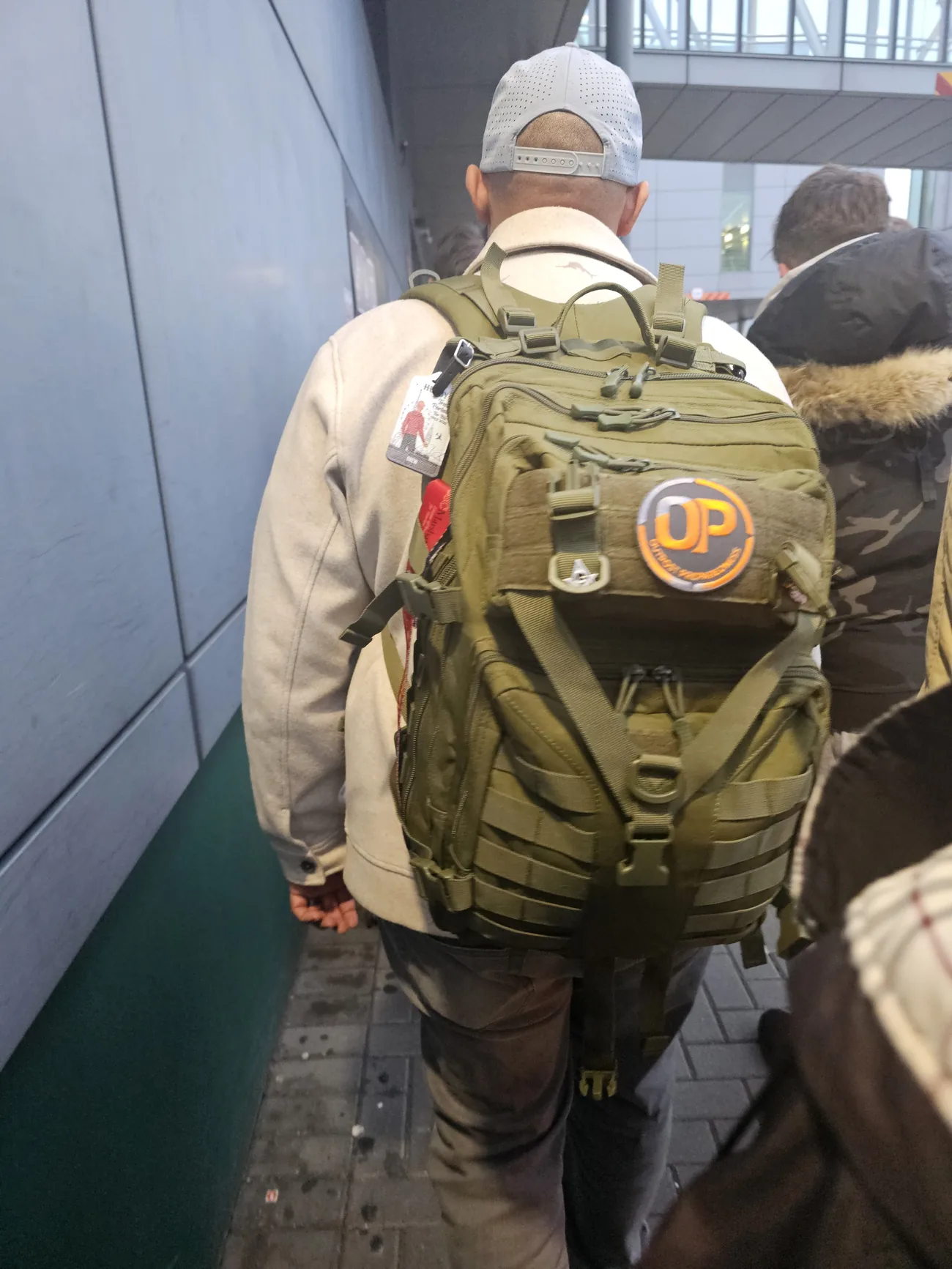
What it looks like airside.
The crew kit goes through the gate and down the jet bridge with the person carrying it. The ProMove sling packs to the size of a daypack and lives on the station, not in a store room.